Pre-Primary Montessori

In a Montessori Pre-Primary environment, children learn through experience by performing various hands-on activities using their senses.
Although they are part of a group, each child works independently, exploring materials at their own pace.
A Pre-Primary Montessori classroom typically accommodates up to 35 children (ages 2.5 to 5.5 years) guided by two trained teachers.
The curriculum is designed to awaken curiosity and nurture a love for learning about the world.
The environment is carefully prepared to be stimulating and engaging, encouraging children to explore freely.
Practical life activities help children build confidence, independence, and control over their movements, while sensorial activities refine their senses and lay the foundation for future learning in language, math, and culture.
Natural exploration also forms an important part of the curriculum, where children spend a lot of time outdoors to learn about different seasons, plants, and animals.
Language as different forms of sounds is taught to kids.
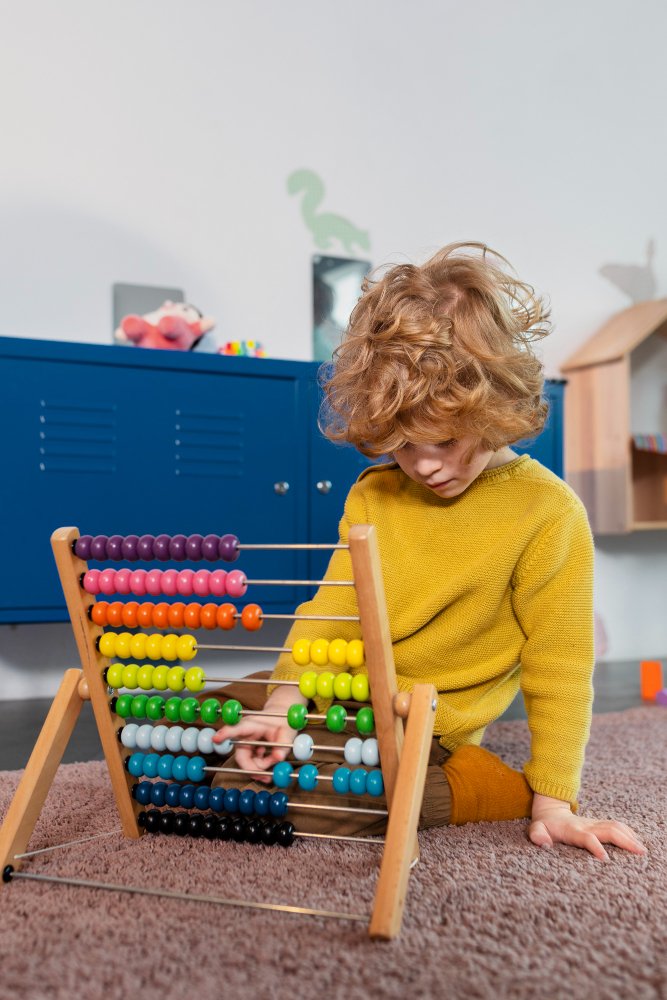

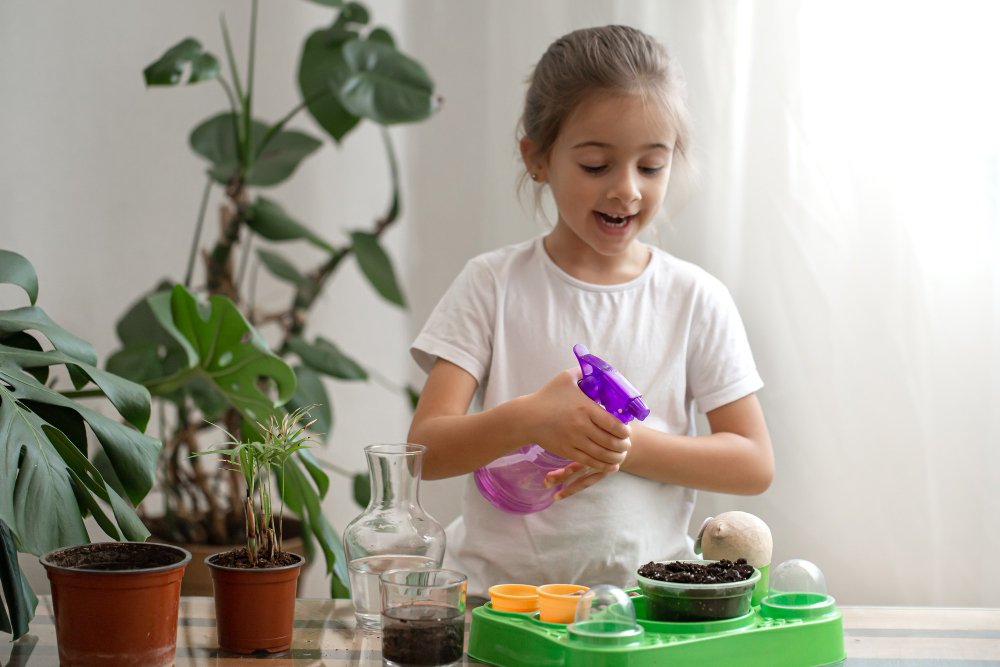
Exercises of Practical Life are the everyday activities that children see and experience in their home environment, such as dressing, dusting, sweeping, washing, and more. Children around the age of three are naturally drawn to these tasks because they love to imitate adults and be part of real-life work. Through these activities, children learn to take care of themselves, care for their surroundings, and practice courtesy and grace with others. Practical Life exercises also help develop concentration, independence, and fine motor skills, allowing children to gain control over their movements and build confidence in their abilities.
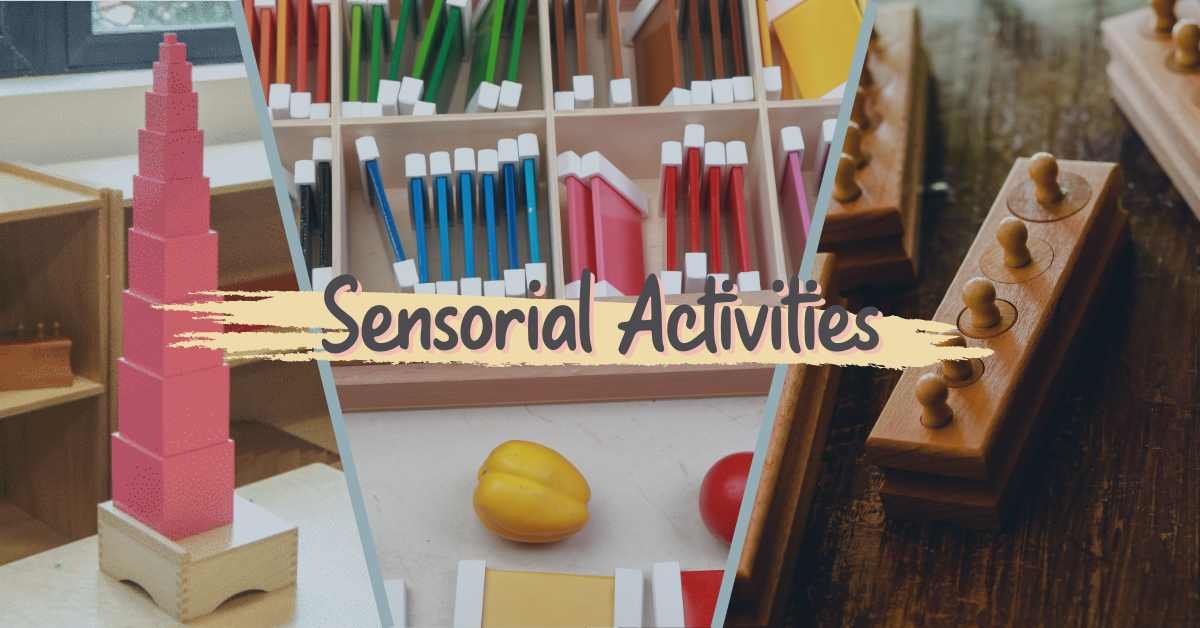
Sensorial activities are designed to refine a child’s five senses—sight, touch, smell, taste, and hearing. These activities help children observe, compare, classify, and understand the physical world around them. Materials like colour tablets, sound boxes, and geometric solids encourage children to notice patterns, differences, and similarities, building a strong foundation for logical thinking and problem-solving skills.
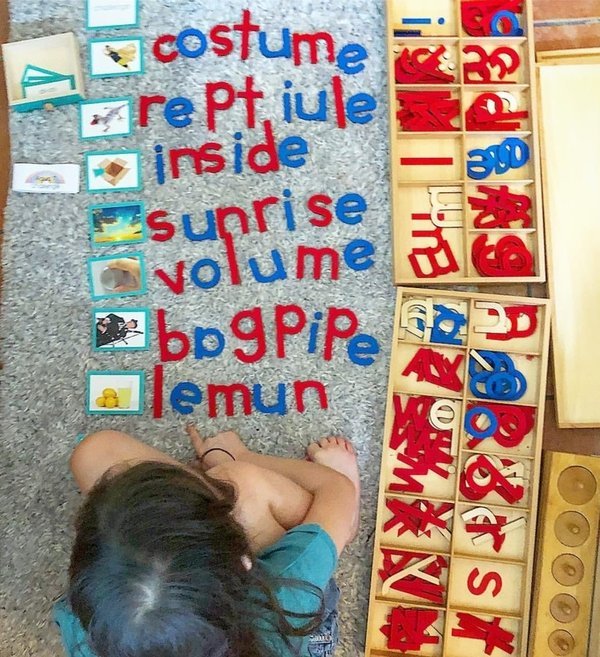
Language is introduced in a rich, engaging way through sounds, phonetics, and storytelling. Children first learn to recognize and produce different sounds, then gradually progress to forming words, sentences, and eventually reading and writing. The Montessori approach ensures that language learning is natural and joyful, laying a strong base for lifelong communication skills.
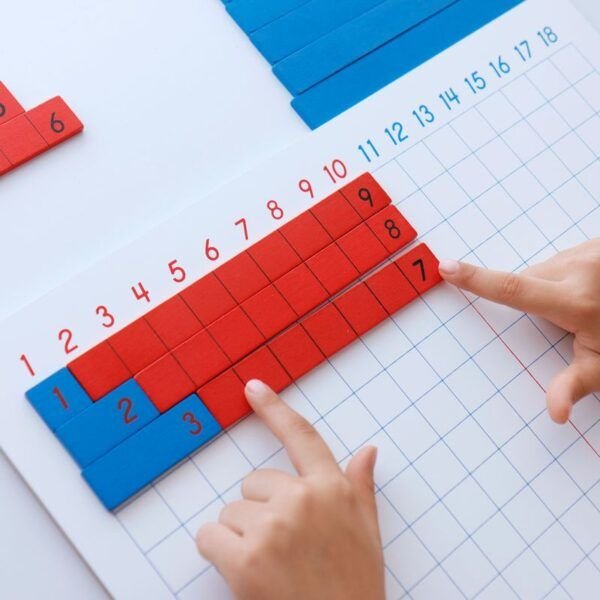
Mathematics in Montessori begins with concrete, hands-on materials that make abstract concepts easier to understand. Children work with number rods, spindle boxes, beads, and other tools to learn counting, addition, subtraction, and the decimal system. This hands-on approach allows them to truly understand numbers and build confidence before moving on to abstract problem-solving.
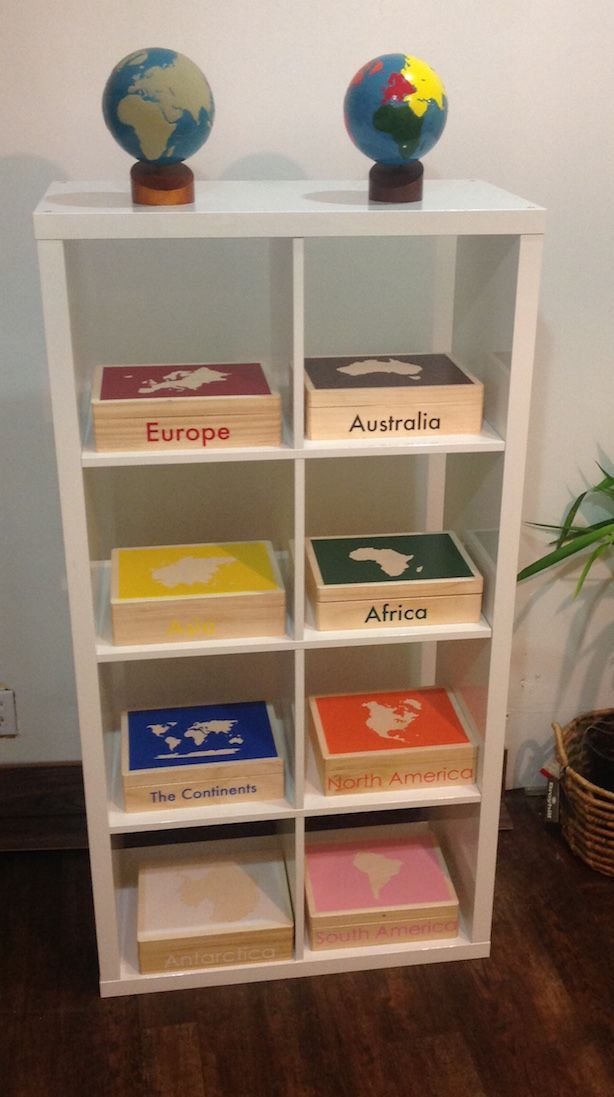
Children are introduced to geography, history, plants, animals, art, music, and movement. These activities spark curiosity, creativity, and respect for the world around them.